

Search is changing – and not in a subtle way.
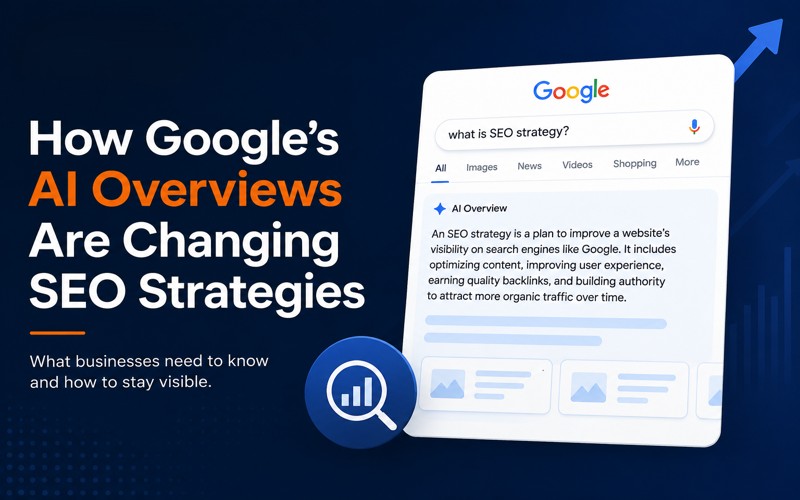
For years, businesses have focused on ranking higher on traditional search engines like Google Search. The goal was simple: get to the top of the results page, earn the click, and convert the visitor. But now, with the rise of AI-powered platforms like ChatGPT and Google Gemini, users are no longer just clicking links. They’re getting direct answers.
That shift is where Generative Engine Optimization (GEO) comes in.
Instead of optimizing content solely for rankings, GEO focuses on optimizing content so it can be understood, selected, and surfaced by AI systems when they generate responses. In other words, your content isn’t just competing for a spot on a page. It’s competing to be the answer itself..
From Search Engines to Answer Engines
 Let’s put this into perspective.
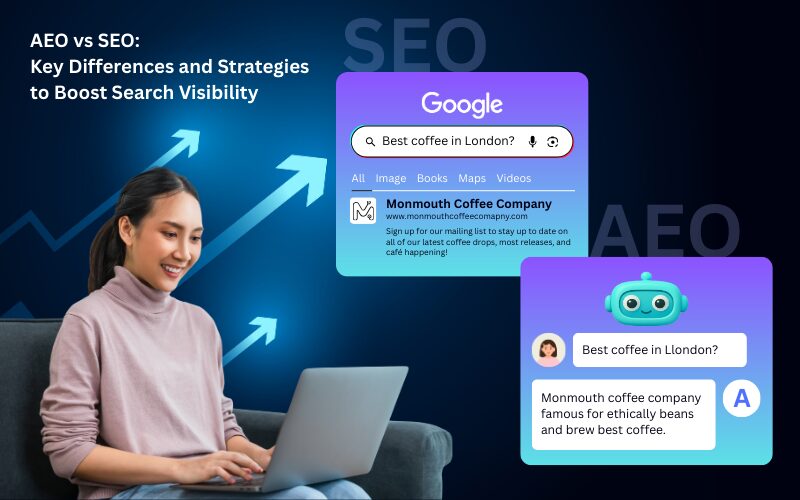
Traditional SEO works like this: someone searches for “best roofing company,” and Google returns a list of links. The user then decides which one to click.
With generative AI, the experience is different. A user might ask:
“What should I look for in a reliable roofing company?”
Instead of a list of links, they get a summarized answer, often compiled from multiple sources. That answer may include recommendations, explanations, and even brand mentions… without the user ever clicking a link to a website.
This is why GEO is so important. If your content isn’t structured in a way that AI can interpret and trust, it may never be included in those generated responses.
What Makes Content “ AI-Friendly ”?
 At its core, GEO is about clarity, structure, and authority.
AI models don’t “read” content the way humans do. They analyze patterns, context, and credibility signals. That means your content needs to be written and organized so these systems can easily extract meaning.
Here’s what that looks like in practice:
- Clear, direct answers to common questions
- Well-structured headings and logical flow
- Context-rich explanations (not just keywords)
- Accurate, trustworthy information
- Consistent topical authority across your site
Think of it this way: instead of writing for search engines, you’re writing with AI interpretation in mind
Why GEO Is More Than Just “ New SEO ”
 It’s tempting to think of GEO as just another buzzword, but it’s actually a fundamental shift in how visibility works online.
In traditional SEO, success is measured by rankings and clicks. In GEO, success is measured by inclusion and influence.
Is your content being referenced in AI-generated answers?
Is your brand being mentioned as a trusted source?
Are your insights shaping the response a user sees?
Those are the new metrics that matter.
And while keywords like SEO company Charlotte, NC, or digital marketing Charlotte, NC, are still relevant, they’re no longer the whole story. Context, depth, and usefulness now carry significantly more weight.
The Role of Structured and Semantic Content
 One of the more technical aspects of GEO is the importance of semantic structure.
This doesn’t mean your content needs to be overly complex. It just needs to be intentional.
Search engines and AI models rely on signals like:
- Proper use of headings (H1, H2, H3)
- Schema markup (structured data)
- Internal linking between related topics
- Clearly defined entities (people, places, services)
These elements help AI systems understand not just what your content says, but how it fits into a broader knowledge landscape.
For example, a well-optimized page about digital marketing services in Charlotte should clearly connect topics like SEO, paid ads, content strategy, and local search, creating a web of relevance that AI can easily interpret.
Authority Matters More Than Ever
Another key component of GEO is authority.
AI platforms prioritize content that appears credible, consistent, and well-supported. That means businesses need to go beyond surface-level content and invest in depth.
Instead of publishing short, keyword-heavy blogs, focus on:
- Comprehensive guides
- Thought leadership content
- Case studies and real-world examples
- Frequently updated information
The goal is to position your website as a trusted source of truth within your industry.
Adapting Your Strategy for the Future
 So what does all of this mean for your business? It means your digital strategy needs to evolve.
GEO doesn’t replace traditional SEO; it builds on it. You still need strong technical foundations, fast-loading pages, and a mobile-friendly design. But on top of that, you need content that’s designed to be understood and reused by AI.
That includes:
- Writing in a natural, conversational tone
- Anticipating user questions and answering them clearly
- Structuring content for easy parsing
- Continuously refining based on performance and trends
This is where working with an experienced team can make a significant difference.
Staying Visible in an AI-Driven World
 The way people search is changing, and businesses that adapt early will have a clear advantage.
Generative Engine Optimization is not just about keeping up; it’s about staying visible in a landscape where visibility itself is being redefined.
At Animink, we help businesses navigate this shift with forward-thinking strategies that blend traditional SEO with AI-driven optimization. From content structure to authority building, our approach is designed to ensure your brand isn’t just found, but featured.
Because in the future of search, it’s not just about being on the page. It’s about being part of the answer. Contact us today to learn more.